


Award-winning, independent Yorkshire funeral directors founded by Doctor Sarah Jones
We make a difficult time easier
Speak to one of our friendly team
What Is the Difference Between a Funeral and a Memorial Service?
In this blog, Full Circle Funerals explains the difference between a funeral and a memorial service.
If you’re in the process of arranging a funeral, you might hear the terms funeral service and memorial service used interchangeably. In fact, there are a few important differences, and it’s useful to understand whether the event you’re planning is a funeral or memorial service, or both, in order to get the arrangements right.
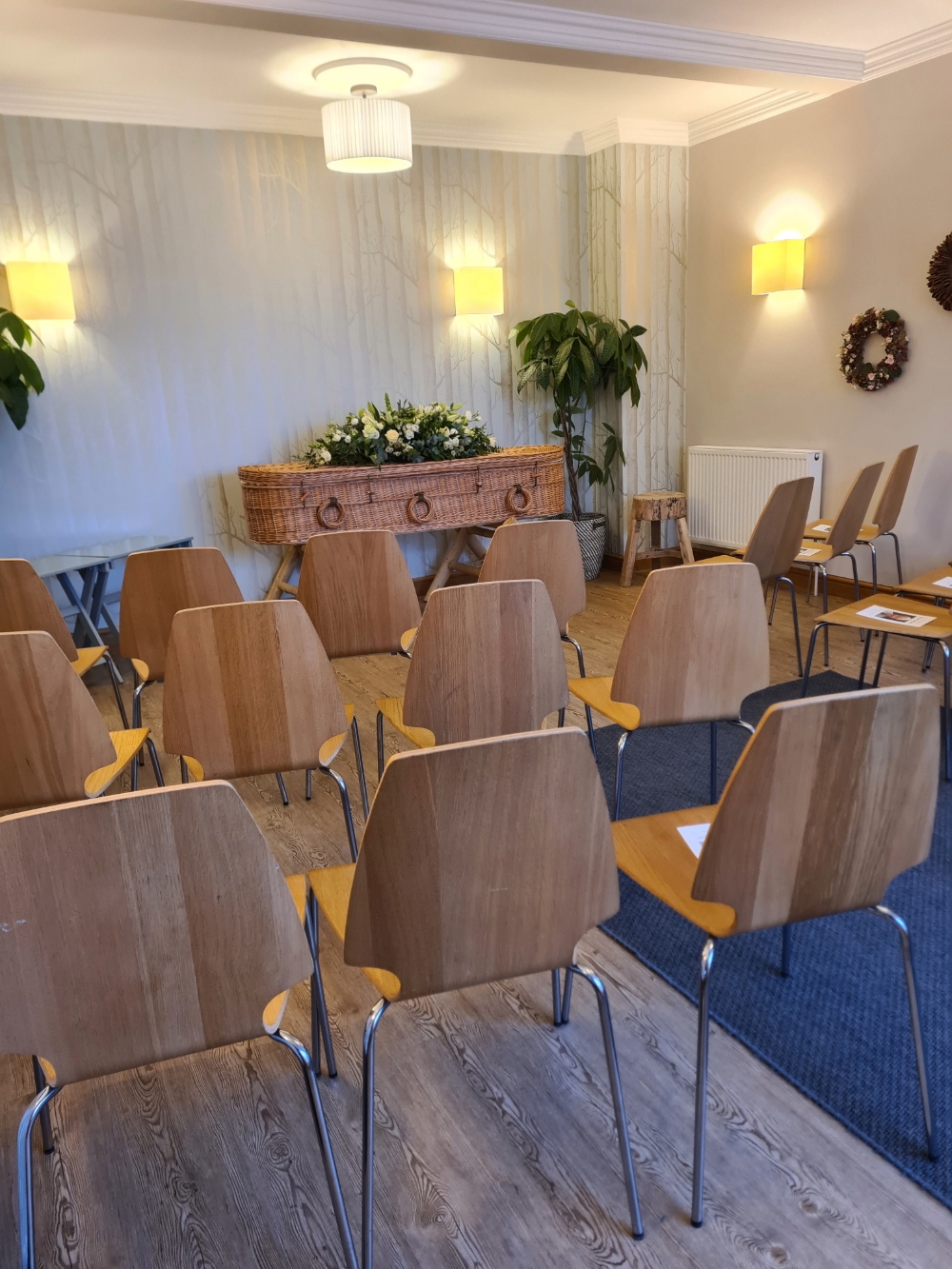
Fundamentally, a funeral service is a ceremony at a place of worship, a crematorium or another location. During a traditional funeral service, the person who has died is physically present and a burial or cremation typically takes place either as part of the ceremony or immediately after. If the person who has died it not present, then it is called a memorial service.
Both a funeral and a memorial service are opportunities to reflect on and remember the person who has died and can happen in a variety of places. In theory both types of service can take place anywhere but some places (like some community venues) may not allow a full funeral service as they might not be able to accommodate a coffin on site.
There are lots of ways to incorporate both a funeral and a memorial service into connected events as part of an extended funeral timeline. At Full Circle Funerals, we can advise you on planning a funeral, a memorial service or a combination of the two, and support you to make any final arrangements or accommodate any unique ideas you want to include.
Below, we’ve explained the key differences between traditional funeral or cremation services and memorial services, and outline which may be more suitable for you depending on the nature of the funeral you want to hold.
What are the differences between a memorial service vs a funeral?
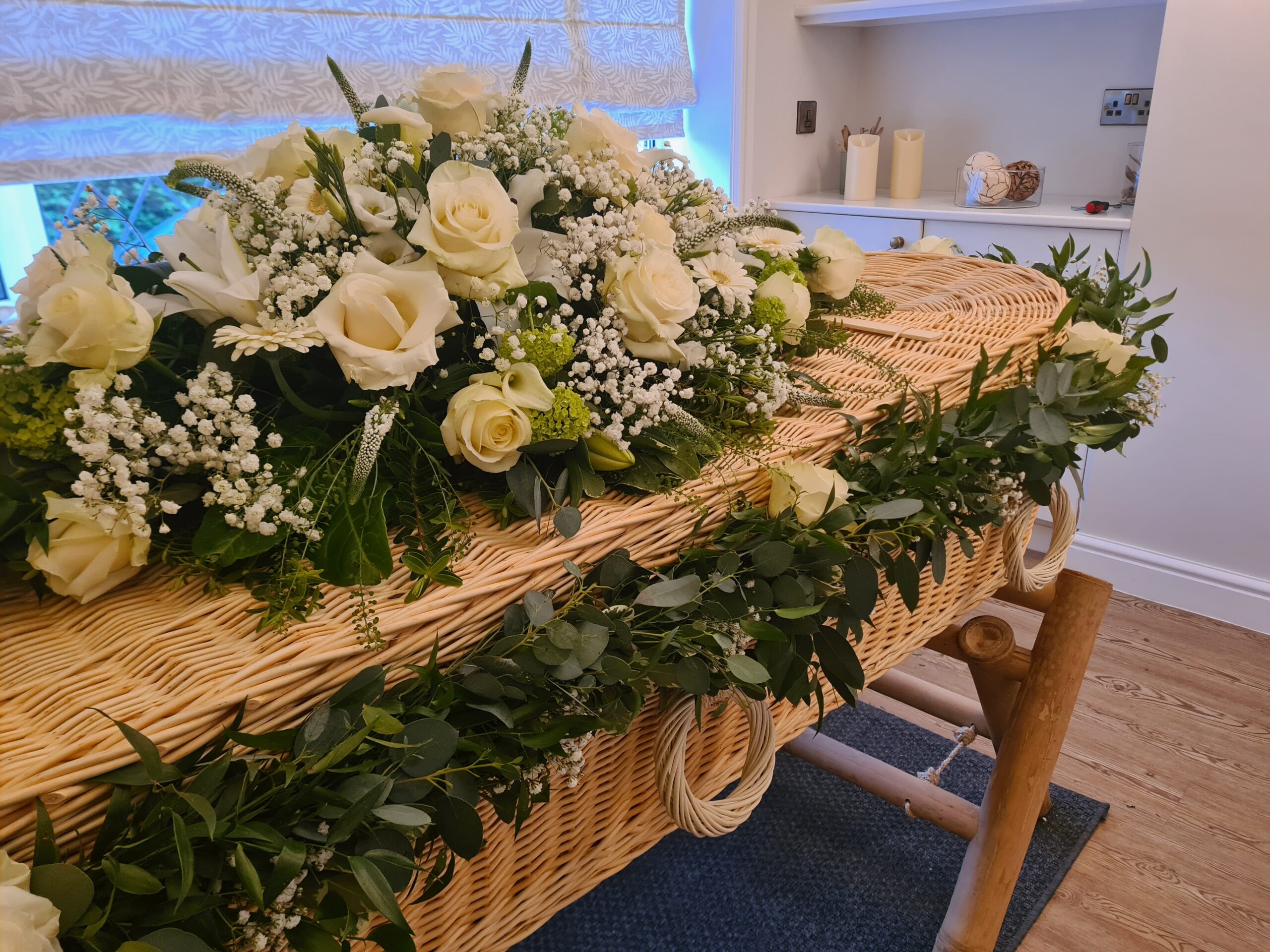
Both funerals and memorial services are ceremonies held to honour and remember someone who has died, but the details are different. As we noted above, one of the key differences between the memorial service and the funeral service is that a funeral will have the coffin present and there will be a committal. This often involves the coffin being lowered into the ground or, at a cremation, you might choose for the curtains to close around the coffin (but this is not compulsory).
A funeral service typically takes place within a few days to two weeks after the person died, depending on funeral wishes, religious customs and administrative procedures like registering the death and obtaining a death certificate or other paperwork.
The body will not be present at a memorial service, and in many cases, this type of service is held weeks or months after the death. This may be an effort to allow more people to attend, accommodate travel or mark an anniversary or special occasion. However sometimes people choose to hold a memorial service before the person who has died has been buried or cremated – this decision depends on whether you would like the person who has died to be present for the service or not.
Working with a funeral director means that all of the relevant paperwork (such as a death certificate and the relevant permissions for the body to be cremated or buried) is taken care of, and that the service itself complies with the relevant UK regulations.
Should I hold a memorial service or a traditional funeral?
If you are responsible for planning a funeral for someone who has died, you may wonder whether a traditional funeral service or something more like a memorial event is the right option. We would encourage you to start by thinking about what you know about the person’s wishes. Did they every tell you what they wanted? Did they comment on something that they appreciated about a funeral they had attended? Are there any religious or cultural rituals that are important in the funeral.
Think about the type of service the person might have wanted, and the practical considerations like who will attend and for whom the service is an important event. Even where people have quite different ideas and expectations of what a service might included, it can be possible and meaningful to create something where everyone is able to find what they need.
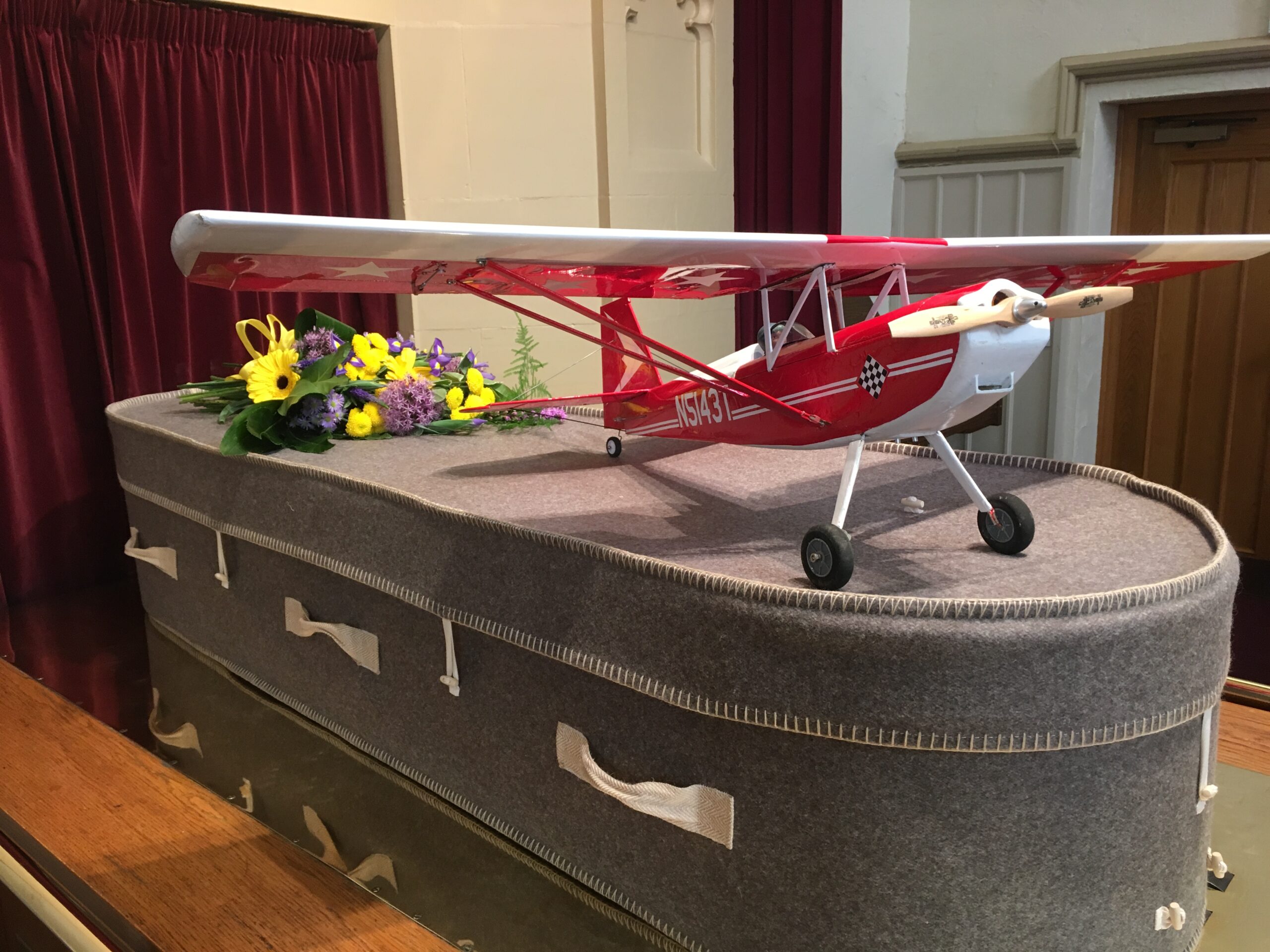
There is also a certain flexibility in terms of the tone – both memorial and funeral services can have a quieter, more formal tone, or they can be more celebratory. Either could include speeches, photo slideshow displays, music or video presentations and a combination of readings, prayers, hymns, and eulogies. There is plenty of scope for personal tributes and for people to say a few words about the person at both a memorial or funeral service.
It’s important to say that you’re not limited to just the one option. A traditional funeral service is often held in conjunction with a memorial event – they may happen on the same day, or the memorial service can be scheduled for a later date. Some families that we support opt for direct cremation, a type of service which is unattended, and then arrange for a memorial service to take place separately. An unattended burial is also possible for those who do not wish to be cremated.

How Full Circle Funerals can help
Both funerals and memorial services are about creating a meaningful opportunity to remember someone you have lost. From the big choices to the smallest details, each decision offers a chance to honour the person’s identity and allow those left behind to remember them in a way that feels right.
At Full Circle Funerals, we specialise in planning personalised and considerate services filled with unique funeral ideas tailored to your needs and the personality of the friend or family member you’ve lost. We approach matters with compassion and understanding, and we’re willing to help you to bring any idea into reality. Contact us today or fill out the form below to talk about your requirements and find out how we can help.