


Award-winning, independent Yorkshire funeral directors founded by Doctor Sarah Jones
We make a difficult time easier
Speak to one of our friendly team
Traditional Funerals in Yorkshire
It is usually easy to picture a traditional funeral service, but you may not realise that the picture is different for everyone. There are a range of traditions within which you can plan a traditional funeral service, each with its own customs, and these can be further customised to meet the exact requirements of the person and their attendees. People have different ideas of what counts as “traditional”, and in these cases it is best to work with experienced funeral directors and a funeral home with a strong reputation, to make sure the service meets your needs.
If you are an immediate family member of someone who has died and they have not left instructions or wishes for their funeral, it can be difficult to know how to make the arrangements, our guide to arranging a funeral explains the decisions you may need to make. In these cases, a traditional funeral service is a great starting point, and you have the freedom to customise the service to the person who has died and the life they led. Alternatively, you can opt for a very traditional funeral structure, without even needing to choose readings, hymns, poems or prayers, if you prefer.
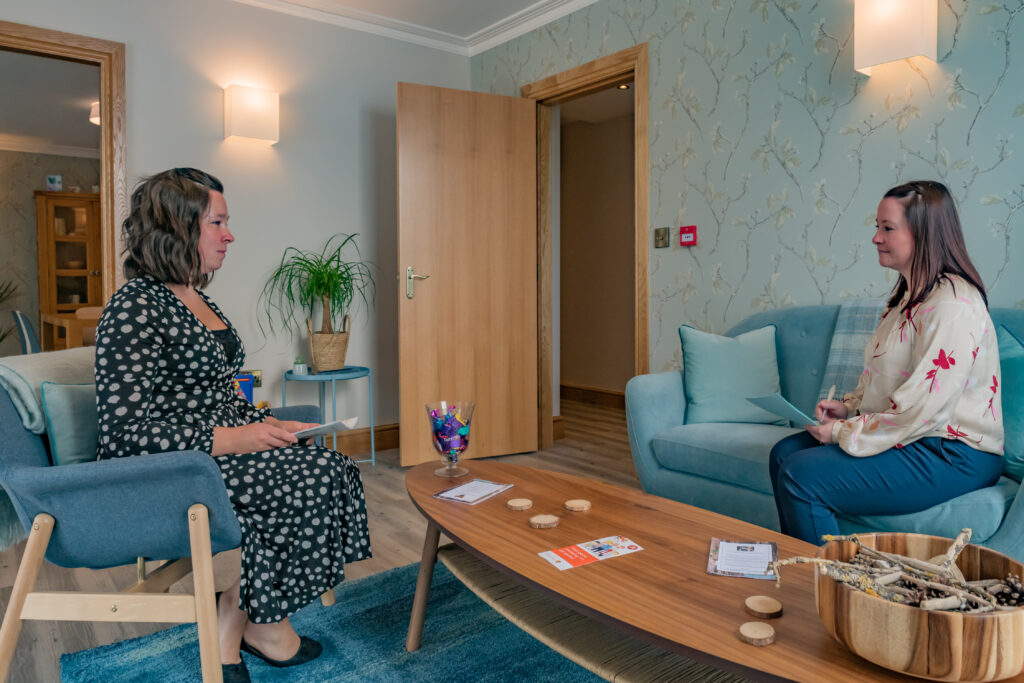
Whether you know exactly what you are looking for, or you need some guidance on how a traditional funeral ceremony should unfold, the team at Full Circle Funerals can help. We will listen to your needs and help you to structure a funeral that is tailored to your expectations, with as much or as little customisation as you would like.
To talk about your needs or get started on the arrangements, call us today.
How do you arrange and prepare for a traditional funeral?
There are many different types of “traditional funeral”, just as there are many different religious and cultural traditions. Typically, the conventions that should be used will be determined by the religious beliefs or background of the person who died. Alternatively, a humanist ceremony or other type of arrangement may be made for a non-religious service. However, while customs vary according to the underlying traditions, most types of funeral ceremony will be structured in roughly the same way, in a manner that blends personal wishes with the relevant religious or cultural practices.
While customs vary depending on religious affiliation, region, or family preference, the general stages of planning a traditional burial or funeral service are the same. After someone dies, close family members or the person’s executor should contact a funeral director, who will guide them through the arrangements. This is not only about the funeral, but about taking care of the person’s body. Together, the funeral director and the person planning the funeral will carry out the following tasks:
- Collecting the body of the person who has died from the place where they died.
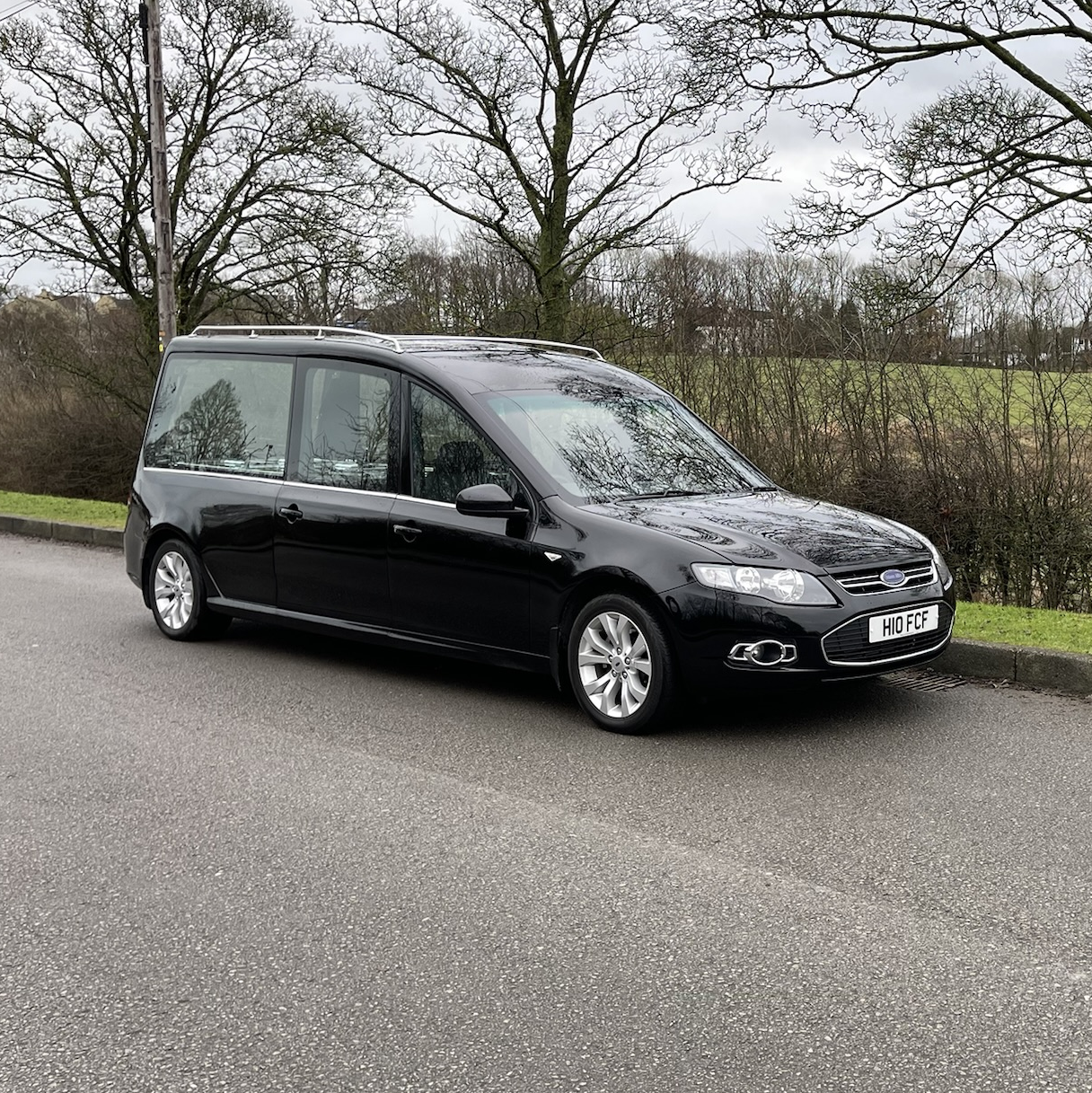
- Choosing between burial and cremation, and arranging a coffin, transport and burial plot where required.
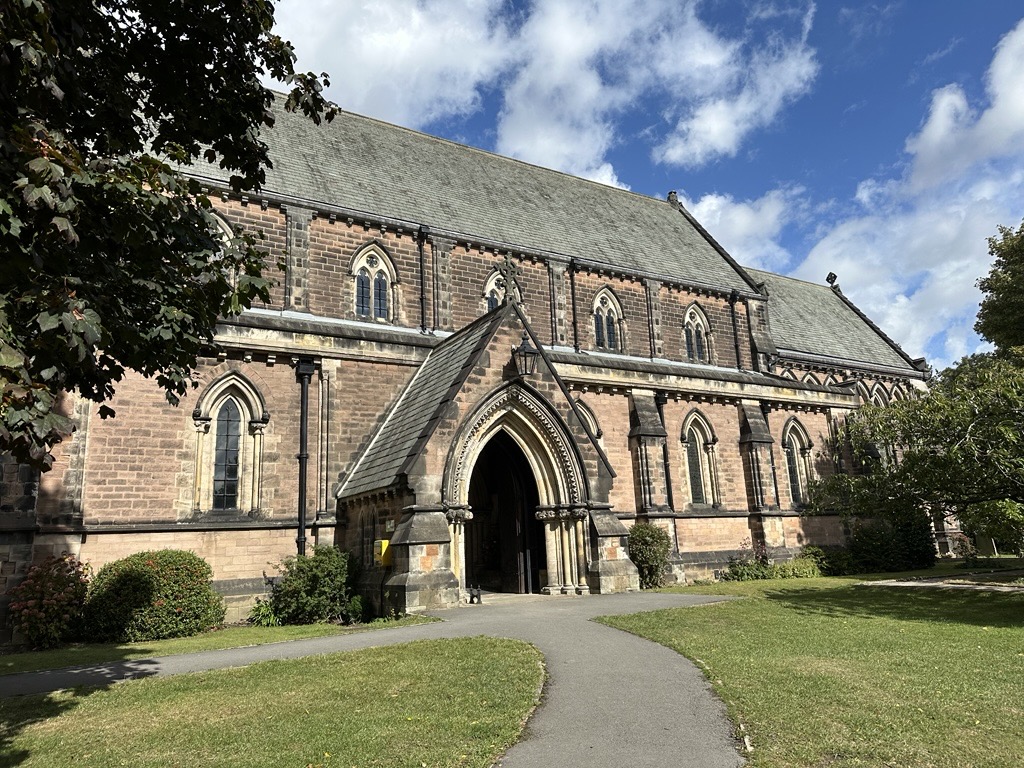
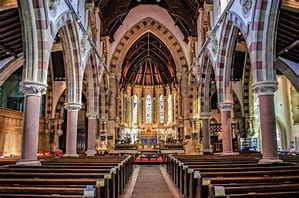
- Setting a date and venue for the service (often a local church, crematorium chapel or graveside in the case of a traditional funeral).
- Notifying friends and family and placing death notices in newspapers or online.
- Choosing readings, hymns, music and speakers for the service.
If the person had recorded their funeral wishes or arranged a funeral plan, this will often guide preferences such as the location, type of service and choice of burial or cremation. If not, the team at Full Circle Funerals can advise you on the options available, or discuss the life of the person who has died and help you add a personal touch to the proceedings.
What happens during the traditional funeral service?
The funeral service itself is the central part of the overall funeral ceremony. The latter may include aspects like a visitation beforehand, and a wake or other gathering after the service. The structure of a typical funeral service is as follows:
- The body arrives at the location, followed by family and friends. Typically, some guests arrive alongside the body as part of a funeral procession – this usually includes close friends and family members. Others will make their own way to the location.
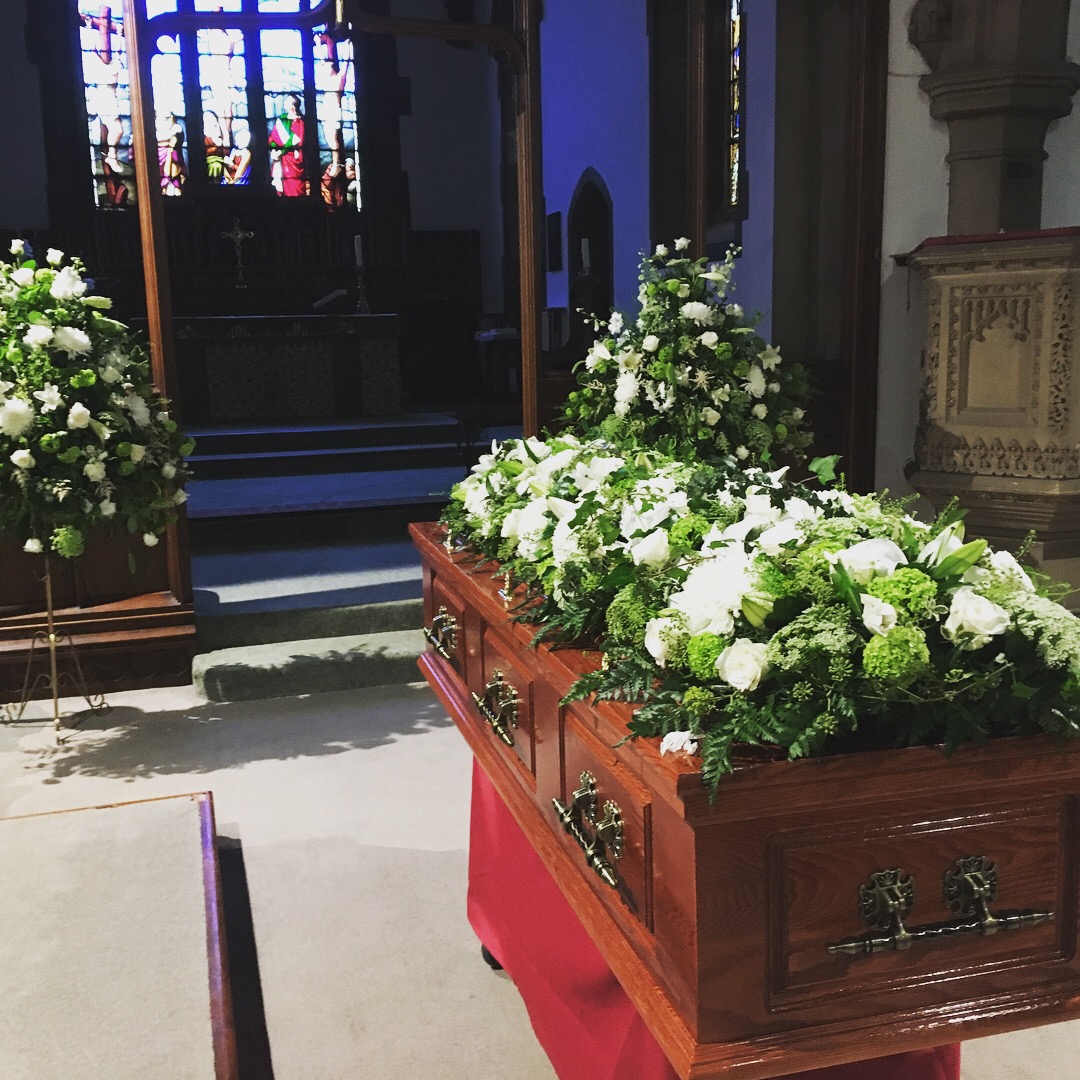
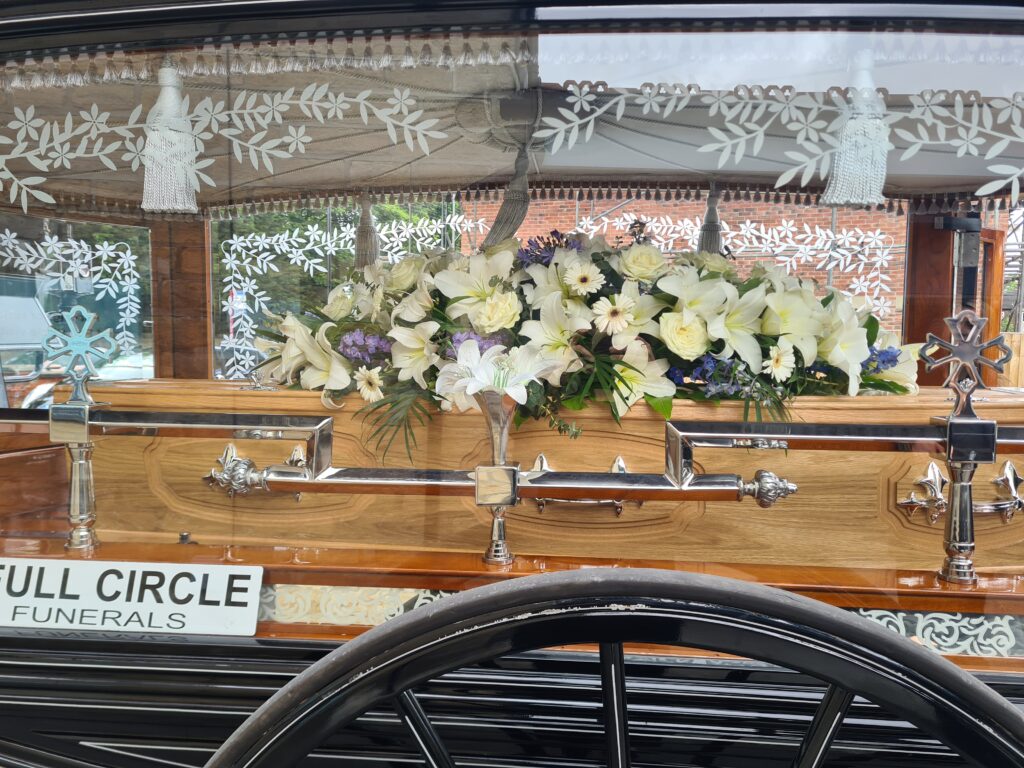
- Pallbearers carry the coffin into the venue in what is sometimes called a procession, and attendees take their seats.
- A celebrant, minister or family member opens the ceremony with a welcome to guests and an introduction.
- For religious funerals, prayers or blessings may be read, or hymns sung. This is usually led by the person performing the ceremony, usually a minister or priest.
- Readings and tributes are performed. These may include religious texts, poems or personal eulogies delivered by family and friends of the person who has died.
- Music that has been chosen to reflect the person’s beliefs or personality may be played.
- Attendees may be invited to take part in a moment of silence or personal contemplation.
- The committal service is held. This can be very different depending on the underlying customs of the event, but may involve a final prayer as the person’s body is lowered into the ground, the closing of crematorium curtains, or another sign that the person has been laid to rest.
If the body is to be buried, this will usually take place immediately after the service, unless it is to be held at a separate location such as a cemetery or churchyard. In a traditional funeral service, the coffin is lowered into the grave as words of committal are spoken. Family and friends may take turns to place a flower or soil in the grave.
Burial may take place in consecrated ground (for religious burials) or in municipal cemeteries. Natural and woodland burial sites are also growing in popularity, as these can be more environmentally friendly. For those who care about the environment, this can be arranged within the context of a traditional religious service to reflect the wishes of the person who died.
After the burial or cremation, it is customary to hold a wake or reception where mourners gather to share memories and offer support. This may be held at the family’s home, a local venue or a pub. There are lots of ways to customise this – for example, by choosing a location that has meaning to the funeral attendees or the person who died.
If the person was buried, a headstone or grave marker can be placed at the site. Alternatively, you could create a memorial by sponsoring a bench or something that suited the person you’ve lost, which can serve as a way to remember them in the years that follow.

Why choose Full Circle Funerals?
The team at Full Circle Funerals has a wealth of experience in planning traditional funeral services according to a range of cultural and religious standards. Our funeral directors can present the most popular options for a funeral ceremony based on what you want and enable you to choose from a wealth of options. Alternatively, if you need more guidance in arranging a traditional funeral ceremony, whether a typical church service or non-religious event, we can listen to your needs and support you to implement your ideas.
We can advise you at all stages of the funeral arranging process, including elements you may not have considered, such as choosing a burial site that will act as a final resting place, or what type of casket will be the most suitable option. For example, while a local cemetery will allow you to visit the person more often, it may not feel right if the person was born and lived somewhere else. Our team understands the emotional difficulties that can arise in these cases and brings a personal touch to the advice we offer, to help you find the right choice.
We will explain the choices and costs clearly, so you can decide what feels right without feeling pressured to include anything you do not want. You can also view our funeral options and prices before speaking to us.